


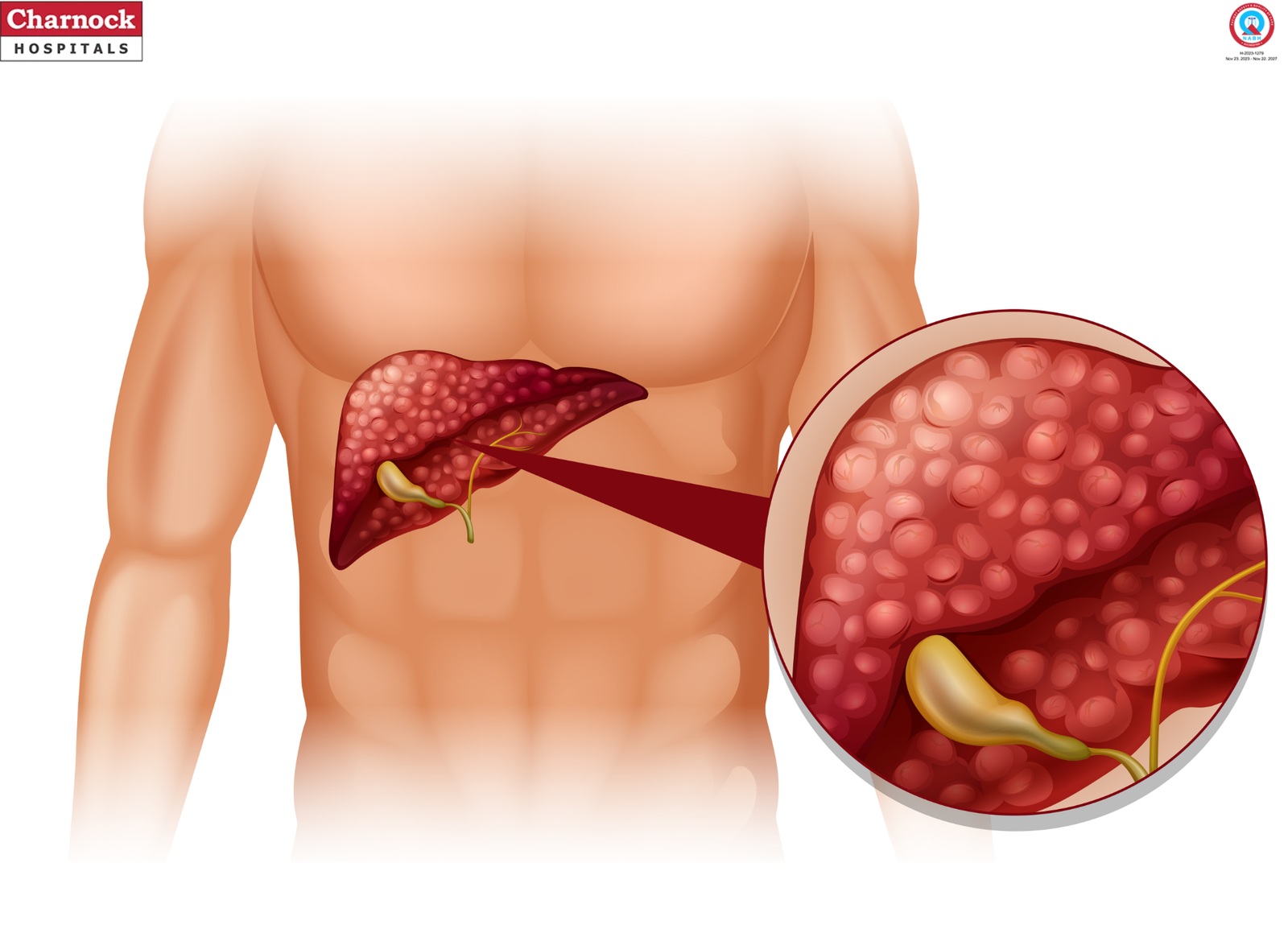
Fatty liver disease is now one of the most common liver conditions worldwide, driven by rising obesity rates, poor diet, stress, and sedentary habits. The good news? In most cases, fatty liver disease can be reversed, especially when detected early. With timely intervention, lifestyle changes, and guidance from experienced liver specialists, the liver’s remarkable ability to heal itself can be restored.
Understanding Fatty Liver Disease
Fatty liver disease occurs when excess fat builds up in liver cells. When more than 5–10% of the liver’s weight consists of fat, it’s classified as fatty liver. The condition is mainly of two types:
- Non-Alcoholic Fatty Liver Disease (NAFLD): Occurs in individuals who consume little or no alcohol. It’s commonly linked to obesity, diabetes, insulin resistance, and high cholesterol.
- Alcoholic Fatty Liver Disease (AFLD): Results from excessive alcohol consumption, which damages liver cells and promotes fat accumulation.
NAFLD is now one of the fastest-growing health concerns in India, especially among young adults and working professionals. Left untreated, it can progress to non-alcoholic steatohepatitis (NASH), fibrosis, or even cirrhosis.
Can Fatty Liver Be Reversed?
Yes, the liver has a unique capacity to regenerate. When the underlying causes of fatty liver are addressed, fat deposits can gradually reduce, inflammation subsides, and liver function improves.
Reversal is most successful during the early stages (Grade 1 or 2 fatty liver), where damage is minimal. However, even in more advanced stages, medical management and lifestyle intervention can halt progression and improve overall liver health.
Recognizing Early Signs and Risk Factors
Fatty liver disease often goes unnoticed because symptoms are mild or absent in early stages. Common warning signs include:
- Persistent fatigue or weakness
- Mild pain or discomfort in the upper right abdomen
- Unexplained weight gain or difficulty losing weight
- Elevated liver enzymes (ALT, AST, GGT) in blood tests
People with obesity, type 2 diabetes, or high cholesterol are at higher risk and should undergo routine liver function tests and ultrasound screenings for early detection.
Lifestyle and Dietary Changes That Help Reverse Fatty Liver
The cornerstone of fatty liver treatment is lifestyle modification. Small, consistent changes can yield significant improvements in liver health:
1. Follow a Liver-Friendly Diet
Adopt a balanced, anti-inflammatory diet rich in:
- Whole grains, leafy vegetables, fruits, and legumes
- Lean proteins like fish, chicken, tofu, and eggs
- Healthy fats from olive oil, avocados, and nuts
- Antioxidant-rich foods such as berries, green tea, and turmeric
Avoid:
- Processed foods, fried items, and sugary drinks
- Red and processed meat
- Excessive carbohydrates, especially refined flour
- Alcohol and high-fructose corn syrup
2. Exercise Regularly
Engage in at least 150 minutes of moderate aerobic activity per week (e.g., brisk walking, cycling, swimming) combined with strength training twice a week.
Physical activity helps burn liver fat, improve metabolism, and increase insulin sensitivity.
3. Maintain a Healthy Weight
Losing 5–10% of body weight can significantly reduce liver fat and reverse inflammation. Crash diets should be avoided; gradual, steady weight loss is safer and more sustainable.
4. Manage Coexisting Conditions
If you have diabetes, high blood pressure, or cholesterol issues, ensure they are properly managed with your doctor’s guidance.
Medical Management and Monitoring
For patients with more advanced fatty liver or metabolic complications, doctors may recommend:
- Vitamin E and antioxidant supplements (under supervision)
- Insulin sensitizers or medications to control cholesterol and triglycerides
- Regular monitoring of liver enzymes and imaging studies
Periodic follow-ups with a qualified gastroenterologist are essential to track progress and prevent complications.
If you’re in Eastern India, consider consulting the Best Gastroenterologists in Kolkata at Charnock Hospital, a NABH-accredited multispecialty hospital in Kolkata offering advanced diagnostics, liver imaging, and personalized fatty liver management programs.
How Long Does It Take to Reverse Fatty Liver?
Recovery time varies based on the stage of the disease and individual factors like age, weight, and adherence to lifestyle changes.
Most patients notice improvement in 3–6 months, and substantial reversal can occur within 9–12 months of consistent care.
Debunking the “Liver Detox” Myth
Many online “detox” remedies claim to cleanse the liver overnight. In reality, your liver detoxifies your body naturally. The best way to support its function is by:
- Staying hydrated
- Eating fiber-rich foods
- Avoiding alcohol and processed foods
- Getting adequate sleep
When to See a Doctor
If you experience fatigue, unexplained abdominal discomfort, or have risk factors like obesity or diabetes, consult a liver specialist without delay.
Early diagnosis not only ensures easier reversal but also prevents complications like fibrosis and cirrhosis.
At Charnock Hospital, expert gastroenterologists provide a comprehensive liver health assessment, combining clinical evaluation with advanced imaging and tailored treatment plans. The hospital’s NABH accreditation reflects its commitment to quality care, patient safety, and medical excellence.
Conclusion
Fatty liver disease is a growing yet reversible condition. With early detection, a balanced diet, regular exercise, and professional guidance, most patients can restore their liver to full health.
If you suspect you may have fatty liver or want to improve your liver function, don’t wait; take charge of your health today.
Book a consultation with the expert liver care team at Charnock Hospital, Kolkata’s NABH-accredited multispecialty centre, and start your journey toward a healthier liver.Phone: 033-4050 0500
Address: BMC 195, Biswa Bangla Sarani, Tegharia (New Town), Kolkata – 700157, West Bengal, India.
0 Comments