The Cardiac Medicine & Non-Interventional Cardiology Department at Charnock Hospital is committed to providing comprehensive care for heart health through advanced non-invasive techniques. Our experienced cardiologists specialize in the early detection, diagnosis, and management of a wide range of cardiac conditions.
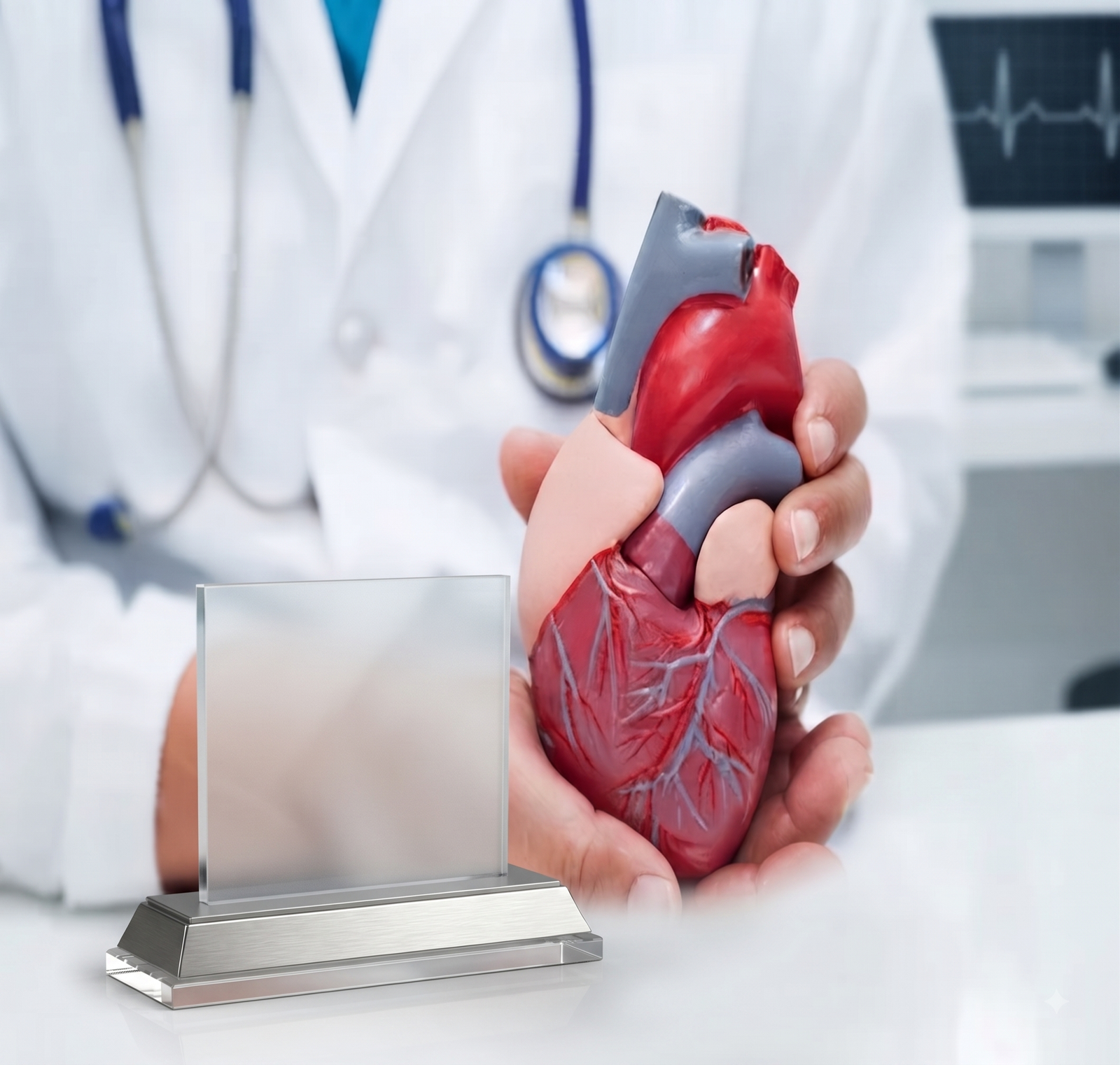
The Cardiac Medicine & Non-Interventional Cardiology Department at Charnock Hospital is committed to providing comprehensive care for heart health through advanced non-invasive techniques. Our experienced cardiologists specialize in the early detection, diagnosis, and management of a wide range of cardiac conditions.
Utilizing cutting-edge technology and a patient-focused approach, we offer personalized care for everything from routine heart evaluations to the management of complex cardiovascular issues. Your heart’s health is our priority, and we are here to support you every step of the way.
Personalized assessments and expert advice from leading cardiologists to manage your heart health effectively.
A diagnostic tool used to evaluate unexplained fainting by monitoring how your body reacts to changes in position.
A stress test that assesses how your heart responds to physical exertion, helping to diagnose conditions like coronary artery disease.
A portable device worn for 24-48 hours that continuously records your heart’s electrical activity, detecting irregularities over an extended period.
A method of measuring your blood pressure at regular intervals over 24 hours while you go about your daily activities, providing a more accurate assessment than single measurements.
A quick, non-invasive test that records the electrical activity of your heart to detect rhythm problems and other electrical abnormalities.
At Charnock Hospital’s Cardiac Medicine & Non-Interventional Cardiology division, we deliver exceptional care through expert consultation and advanced diagnostics. Here’s what sets us apart:
Your heart health is our priority. We create a supportive environment where your treatment plans are personalized to meet your needs.
Our team comprises top cardiologists trained at prestigious institutions, ensuring you receive the highest level of expertise and accurate diagnoses.
We use advanced non-invasive technologies such as HUTT, TMT, HOLTER, ABPM, and ECG for thorough and precise heart evaluations.
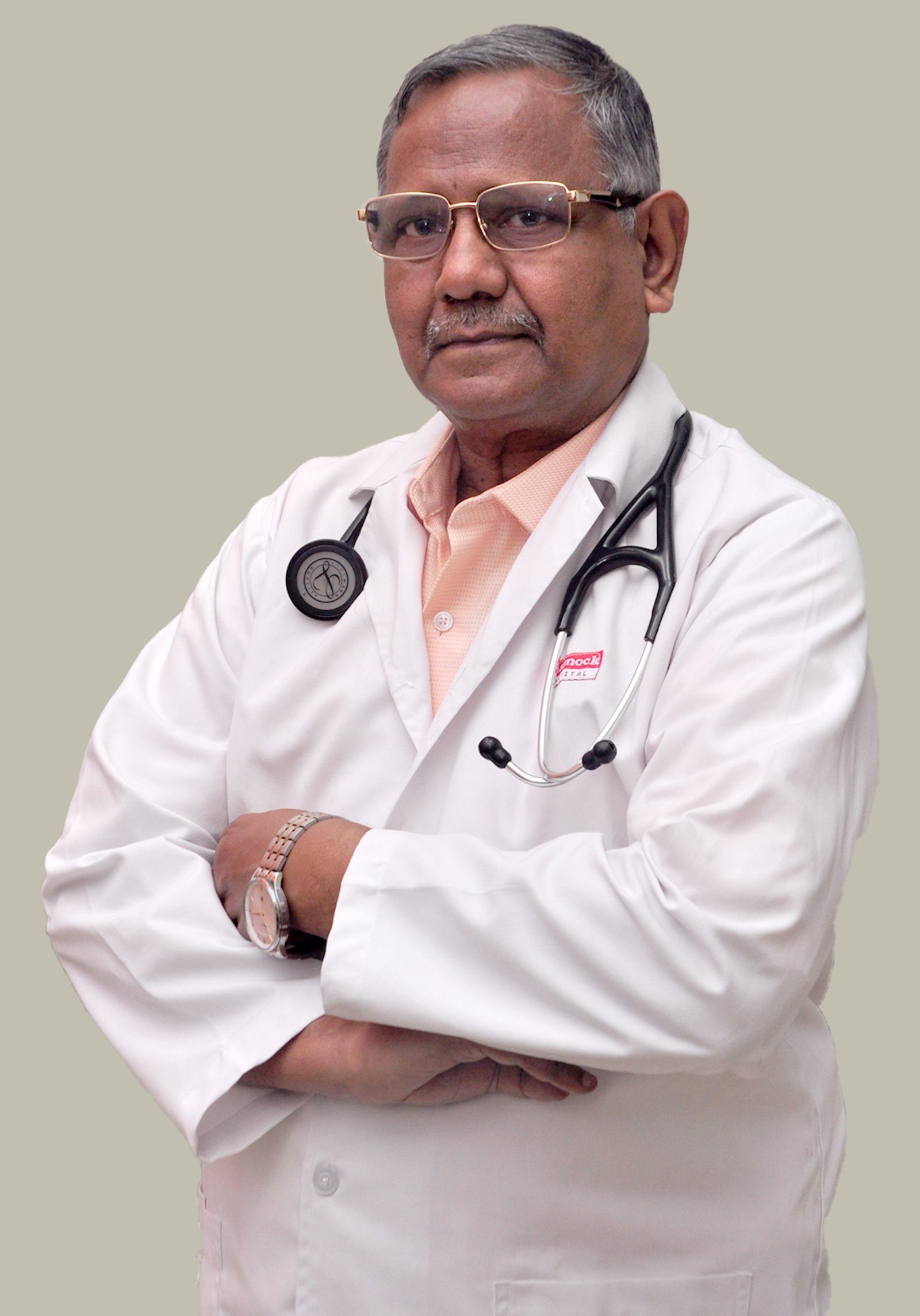
DIP CARD, MD (MEDICINE), DM (CARDIOLOGY), FESC
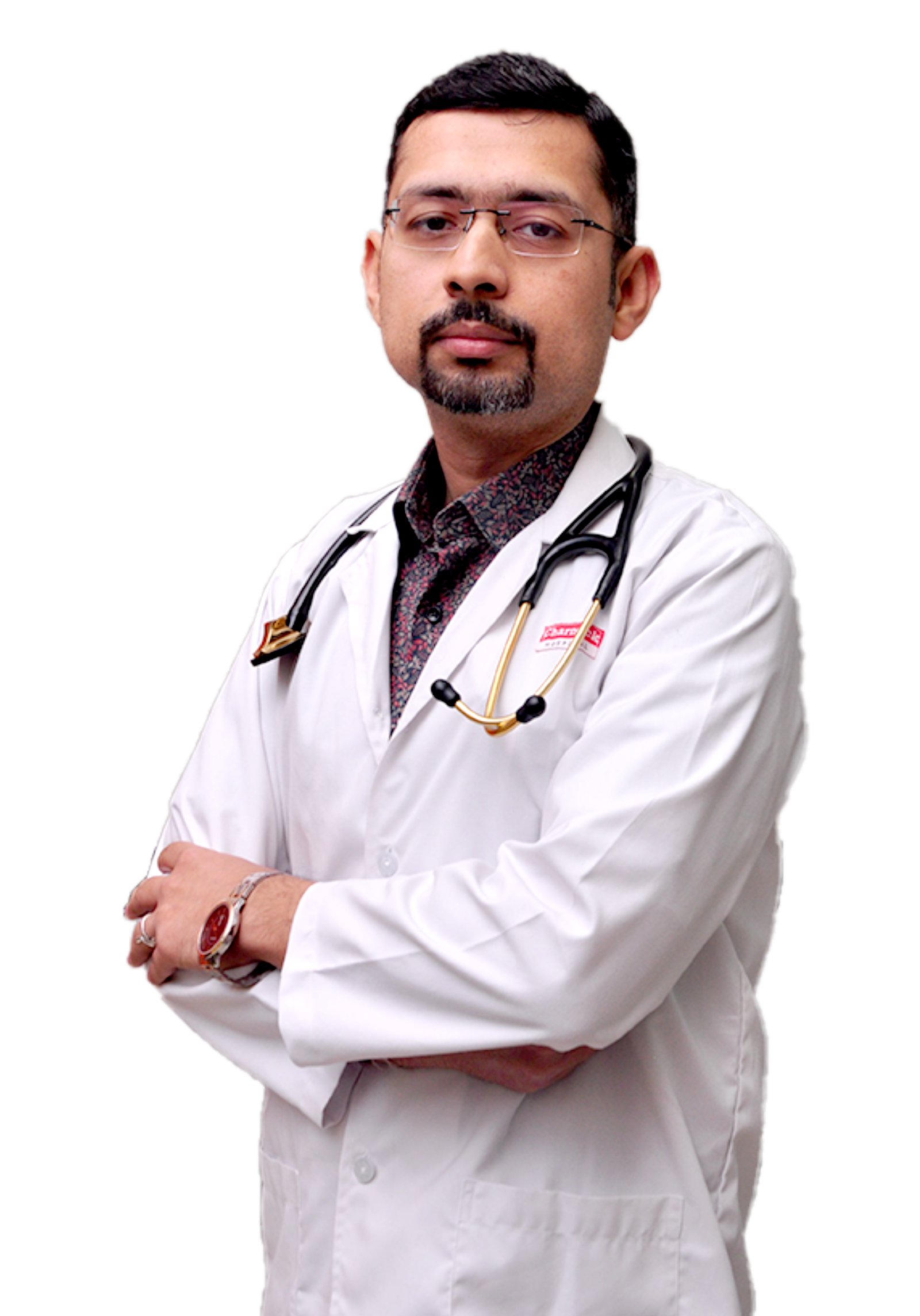
MD (PAEDIATRICS), DM (CARDIOLOGY)

MD (MEDICINE), DM (CARDIOLOGY)

DNB (CHEST), DM (CARDIOLOGY)

MD (MEDICINE), DM (CARDIOLOGY)
MD (MEDICINE), DM (CARDIOLOGY)
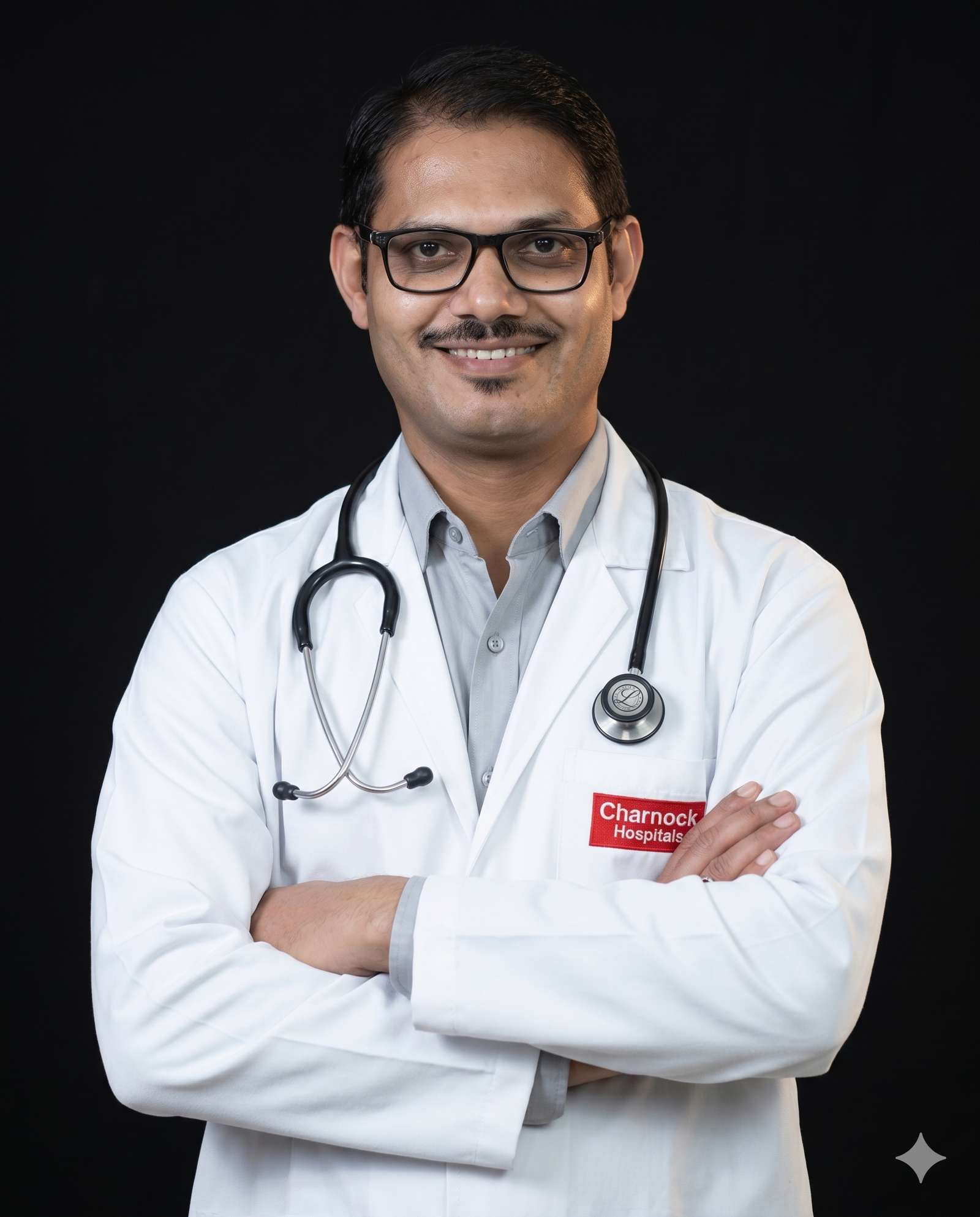
MD (MEDICINE), DM (CARDIOLOGY)
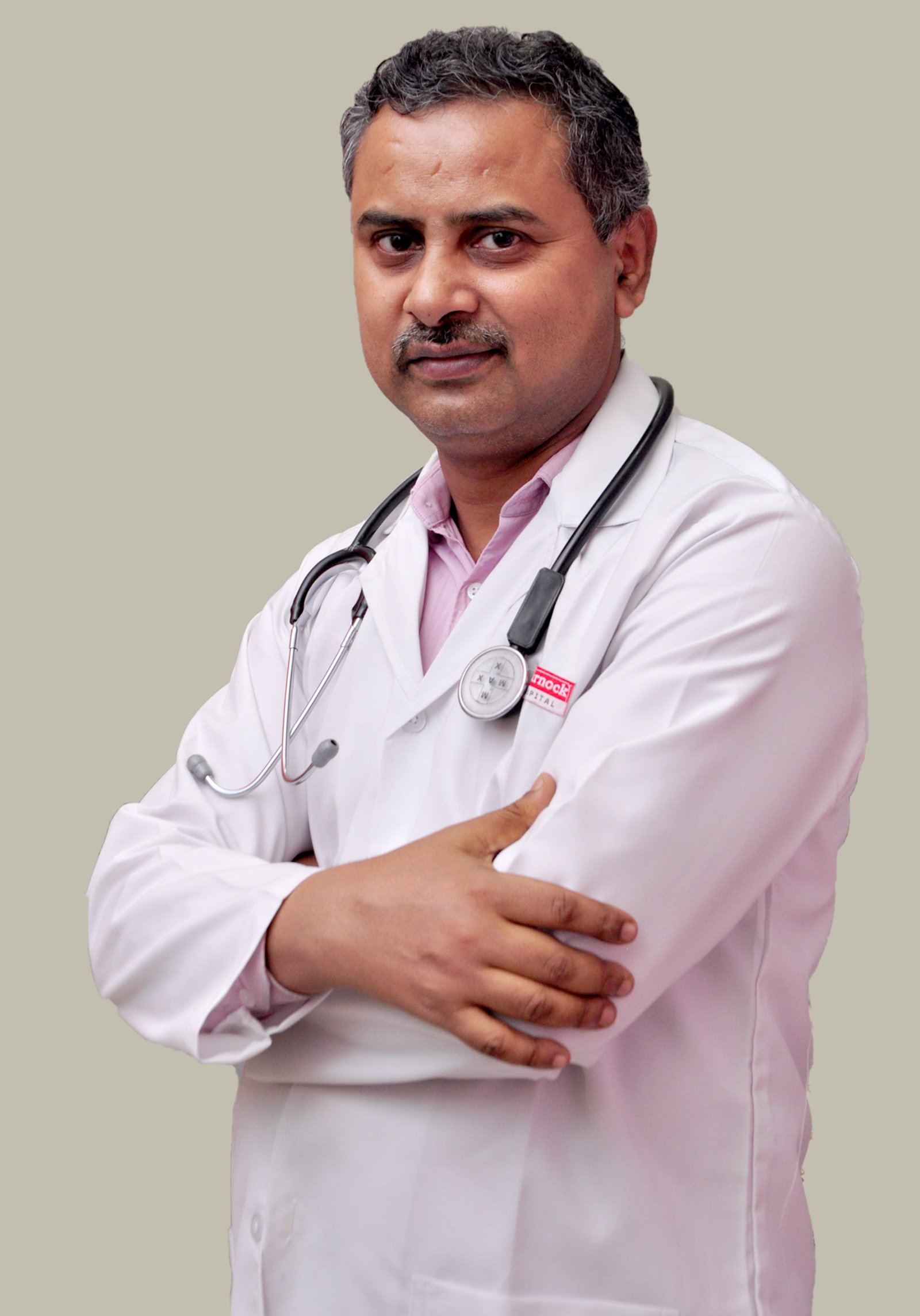
MD (MEDICINE), DM (CARDIOLOGY)
MD (MEDICINE), DNB, DM (CARDIOLOGY)
Get personalised care from our experienced specialists — book your appointment today.
I would like to sincerely express my appreciation and gratitude for the excellent service which I received from everyone at Charnock Hospital. It was a beautiful experience. Special thanks to Mrs Anindita Mukherjee, for taking care of my father. I’m truly grateful for her hospitality and the care received during my father’s hospital stay.
From staff to doctors, everyone is helpful and kind hearted. I sincerely thank Dr Jayanta Datta and Dr Piyali, consulting Nephrologists, who took all efforts and provided quality treatment with utmost care to my mother. Nurses, staff, till housekeeping — you all were a part of my mother’s new life. Thank you so much.
Thank you very much Charnock Hospital and Dr. Pratip Pal, consultant paediatrician, for very quick diagnosis and appropriate treatment for my daughter. Every staff was very helpful. Hope they work like this in health service.
Dr. Apratim Chatterjee is not only an excellent doctor. He is simple, superb human being, sober, approachable and friendly with a smiling face. Always amazing treatment. Special thanks to Doctor’s coordinator Mr Sohail Khan.
Common questions patients ask about Cardiac Medicine & Non-Interventional Cardiology.
It is important to consult a cardiologist if you experience symptoms such as chest pain, shortness of breath, palpitations, dizziness, or unexplained fatigue. Additionally, if you have risk factors like high blood pressure, high cholesterol, diabetes, obesity, or a family history of heart disease, seeking a professional evaluation can help prevent potential complications and ensure early detection and management of heart-related issues. Regular check-ups are especially crucial for individuals with a sedentary lifestyle or those over 40 years of age.
A Holter Monitor is a portable device that continuously records your heart’s activity over a 24 to 48-hour period. This extended monitoring allows doctors to detect heart rhythm irregularities or issues that may not be captured during a brief, standard ECG. It provides valuable insights into your heart’s behaviour during everyday activities, helping in the accurate diagnosis and management of various cardiac conditions.
An ECG is used to detect heart rhythm issues and electrical abnormalities, while an Echocardiogram (Echo) provides detailed images of the heart’s structure and function, helping to identify problems with heart valves, pumping ability, or other conditions. Both tests are non-invasive and essential for diagnosing and monitoring heart health.
The TMT (Treadmill Test) is used to evaluate how your heart performs under physical stress. During the test, you walk on a treadmill while your heart rate, blood pressure, and ECG are monitored. It helps identify potential issues like coronary artery blockages, arrhythmias, and other heart conditions that may not be apparent at rest.
Yes, ABPM (Ambulatory Blood Pressure Monitoring) offers a detailed profile of your blood pressure over a 24-hour period, including day and night measurements. This provides a more accurate and reliable diagnosis than a single blood pressure reading, helping to identify variations or potential issues that might be missed during a standard check-up.
If you experience symptoms such as chest pain, shortness of breath, or unusual fatigue, it is essential to seek medical attention without delay. These could be warning signs of heart disease, and early diagnosis combined with prompt treatment is critical to effectively managing the condition and preventing further complications.