Our Renal Transplant Programme at Charnock Hospital is a core specialty, featuring expert transplant professionals and an exclusive wing for top-tier care. We provide exceptional clinical and essential psychological care for patients and families traveling from different countries for transplant procedures.
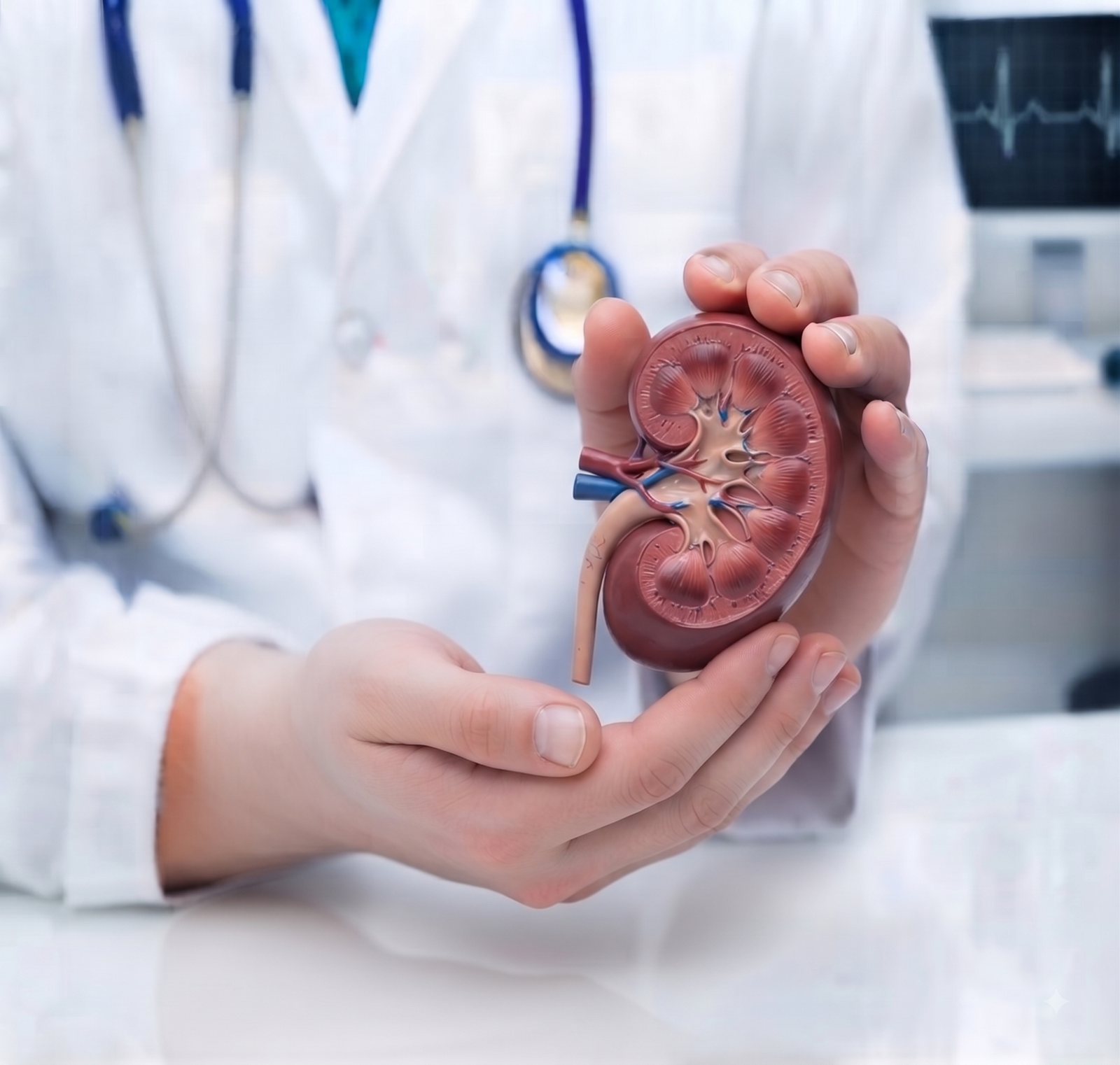
Our Renal Transplant Programme at Charnock Hospital is a core specialty, featuring expert transplant professionals and an exclusive wing for top-tier care. We provide exceptional clinical and essential psychological care for patients and families traveling from different countries for transplant procedures.
This holistic approach ensures comprehensive support throughout the transplant journey.
Done routinely as per the law of West Bengal government.
Meticulous post transplant follow-up and care for patients.
100% successful cadaveric renal transplantation.
State-of-the-art post-transplant unit.
Facilities to make the experience smoother, quicker, and more efficient for International patients.
95 – 97% success rate for Renal Transplant.
With over 180 successful transplants, Charnock Hospital is a leading center for renal transplants in Eastern India.
Our staff provides comprehensive transplant services by strictly adhering to national regulations, ensuring the highest standards of safety and compliance.
We offer holistic care, providing thorough support to patients and their families throughout the transplant journey.
Our dedicated transplant surgeons and nephrologists bring exceptional expertise to every procedure, making our Renal Transplant programme one of the best in the region.

MD, DM (NEPHROLOGY)

MRCP (LONDON), MRCP (UK)
Get personalised care from our experienced specialists — book your appointment today.
I would like to sincerely express my appreciation and gratitude for the excellent service which I received from everyone at Charnock Hospital. It was a beautiful experience. Special thanks to Mrs Anindita Mukherjee, for taking care of my father. I’m truly grateful for her hospitality and the care received during my father’s hospital stay.
From staff to doctors, everyone is helpful and kind hearted. I sincerely thank Dr Jayanta Datta and Dr Piyali, consulting Nephrologists, who took all efforts and provided quality treatment with utmost care to my mother. Nurses, staff, till housekeeping — you all were a part of my mother’s new life. Thank you so much.
Thank you very much Charnock Hospital and Dr. Pratip Pal, consultant paediatrician, for very quick diagnosis and appropriate treatment for my daughter. Every staff was very helpful. Hope they work like this in health service.
Dr. Apratim Chatterjee is not only an excellent doctor. He is simple, superb human being, sober, approachable and friendly with a smiling face. Always amazing treatment. Special thanks to Doctor’s coordinator Mr Sohail Khan.
Common questions patients ask about Renal Transplant.
A renal transplant, or kidney transplant, is a surgical procedure in which a healthy kidney from a donor is implanted into a person with end-stage renal disease or severe kidney dysfunction to restore normal kidney function.
After a renal transplant, recipients must take immunosuppressive medications including corticosteroids, calcineurin inhibitors, and antiproliferative agents to prevent their immune system from rejecting the new kidney. It’s important to adhere to the prescriptions and guidelines provided by your doctors.
After a renal transplant, recipients should maintain a healthy diet, avoid infections, manage blood pressure and diabetes, and avoid harmful substances, while following their doctor’s guidelines.
Kidneys can be donated by living individuals (related or unrelated to the recipient) or deceased individuals (under donation after brain death or cardiac death protocols).
Recovery time varies depending on the recipient. Full recovery can take several weeks to months, during which follow-up appointments and medication adjustments are necessary.
Risks associated with renal transplant include surgical complications, rejection of the transplanted kidney, infections, and side effects from medications. Long-term risks may involve high blood pressure, diabetes, and increased cancer risk due to immunosuppressants.