Charnock Hospital’s Interventional Cardiology Centres are pioneers in the treatment of heart diseases, providing cutting-edge care since their inception. Our team of highly skilled interventional cardiologists, trained at leading global institutes, offers advanced treatment options for a wide range of heart conditions.
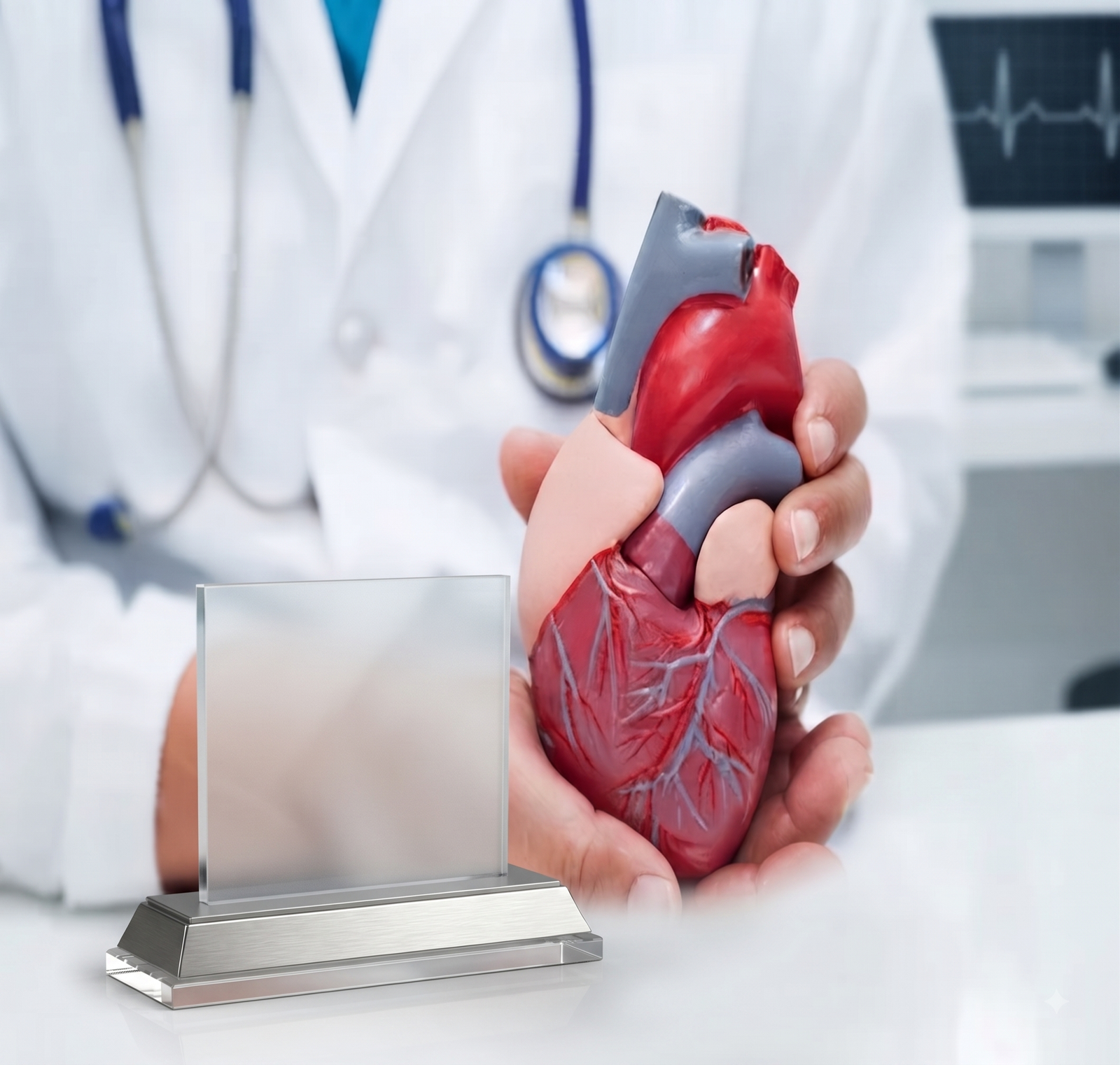
Charnock Hospital’s Interventional Cardiology Centres are pioneers in the treatment of heart diseases, providing cutting-edge care since their inception. Our team of highly skilled interventional cardiologists, trained at leading global institutes, offers advanced treatment options for a wide range of heart conditions.
We specialize in routine coronary stenting, angioplasty, and management of complex cases, including multi-vessel coronary disease, high-risk patients, and those with conditions such as angina, myocardial infarction, heart failure, and hypertensive heart disease.
Our services also include advanced procedures such as balloon valvuloplasty, complex coronary interventions, treatment of congenital heart defects, pacemaker and ICD implantation, TAVI and management of arrhythmias. We are committed to delivering comprehensive care to all our patients, using the latest technologies and techniques to improve outcomes and quality of life.
Immediate heart attack treatment restoring blood flow via balloon and stent insertion.
Specialized procedure for multiple or difficult heart artery blockages using balloons and stents.
Implants regulating heart rhythms: pacemakers for irregular beats, ICDs for dangerous rhythms, and CRT for heart failure.
Minimally invasive aortic valve replacement via catheter, ideal for high-risk patients avoiding open-heart surgery.
Minimally invasive mitral valve repair using balloon catheter, enhancing heart function without surgery.
Non-surgical closure of heart defects (ASD, VSD, PDA) using specialized devices, promoting heart health without surgery.
At Charnock Hospital’s Cardiology Department, we offer unparalleled cardiac care with our expert team of top cardiologists, state-of-the-art technology, comprehensive heart services, and a patient-first approach. Here’s why we stand out.
At Charnock Hospital’s Cardiology Department, your heart health comes first. We provide a supportive, inclusive atmosphere where your care decisions are respected.
Charnock Hospital’s Interventional Cardiology Centre is led by top cardiologists trained at world-renowned institutes.
We use cutting-edge technology for precise diagnoses and effective heart health treatments.
Get personalised care from our experienced specialists — book your appointment today.
I would like to sincerely express my appreciation and gratitude for the excellent service which I received from everyone at Charnock Hospital. It was a beautiful experience. Special thanks to Mrs Anindita Mukherjee, for taking care of my father. I’m truly grateful for her hospitality and the care received during my father’s hospital stay.
From staff to doctors, everyone is helpful and kind hearted. I sincerely thank Dr Jayanta Datta and Dr Piyali, consulting Nephrologists, who took all efforts and provided quality treatment with utmost care to my mother. Nurses, staff, till housekeeping — you all were a part of my mother’s new life. Thank you so much.
Thank you very much Charnock Hospital and Dr. Pratip Pal, consultant paediatrician, for very quick diagnosis and appropriate treatment for my daughter. Every staff was very helpful. Hope they work like this in health service.
Dr. Apratim Chatterjee is not only an excellent doctor. He is simple, superb human being, sober, approachable and friendly with a smiling face. Always amazing treatment. Special thanks to Doctor’s coordinator Mr Sohail Khan.
Common questions patients ask about Interventional Cardiology.
High blood pressure (hypertension) is typically defined as a systolic pressure of 140 mm Hg or higher and a diastolic pressure of 90 mm Hg or higher. Regular monitoring and lifestyle changes can help manage blood pressure levels.
Common symptoms of a heart attack include chest pain or discomfort, shortness of breath, sweating, nausea, and pain in the arms, back, neck, jaw, or stomach.
Chew aspirin to help prevent further damage. Rest in a comfortable position, avoiding exertion. Consult the Cardiology doctor at the earliest for further checkups. If the person is unconscious, perform CPR and move to the nearest medical emergency unit.
Risk factors for heart disease include high blood pressure, high cholesterol, smoking, diabetes, obesity, physical inactivity, family history, and age.
Diagnostic tests for heart attack may include an electrocardiogram (ECG), blood tests (troponin levels), echocardiogram, and coronary angiography to visualize blockages in the arteries.
Heart disease is the leading cause of death among women in many countries, impacting women across all age groups. Recognizing the symptoms and understanding the risk factors are essential for prevention and timely treatment. Early awareness and regular checkups can make a significant difference in managing and reducing the risks associated with heart disease.